Archives
- 2026-09
- 2026-08
- 2026-07
- 2026-06
- 2026-05
- 2026-04
- 2026-03
- 2026-02
- 2026-01
- 2025-12
- 2025-11
- 2025-10
- 2025-09
- 2025-03
- 2025-02
- 2025-01
- 2024-12
- 2024-11
- 2024-10
- 2024-09
- 2024-08
- 2024-07
- 2024-06
- 2024-05
- 2024-04
- 2024-03
- 2024-02
- 2024-01
- 2023-12
- 2023-11
- 2023-10
- 2023-09
- 2023-08
- 2023-07
- 2023-06
- 2023-05
- 2023-04
- 2023-03
- 2023-02
- 2023-01
- 2022-12
- 2022-11
- 2022-10
- 2022-09
- 2022-08
- 2022-07
- 2022-06
- 2022-05
- 2022-04
- 2022-03
- 2022-02
- 2022-01
-
We next determined the selectivity profile of the most poten
2022-01-03
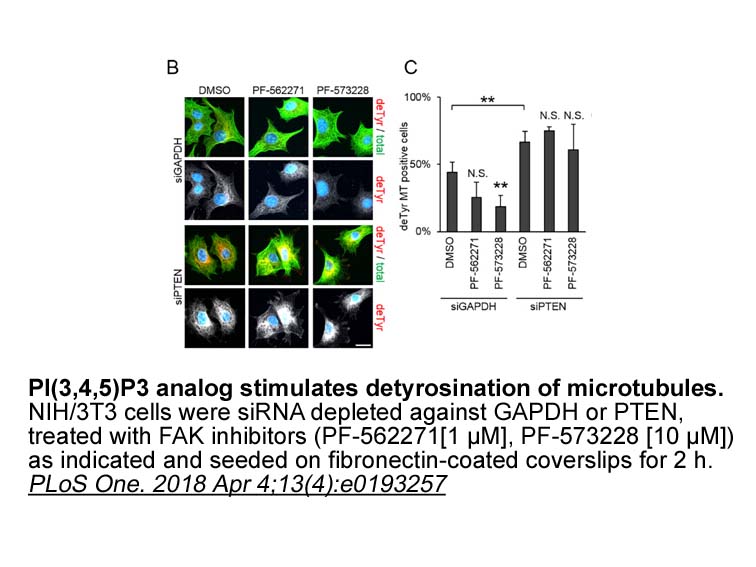
We next determined the selectivity profile of the most potent GPR40 agonists (4k–n) against other free fatty MLN2238 receptor receptors (FFA3/GPR41, FFA2/GPR43 and FFA4/GPR120). FFA2 and FFA3 agonists have a preference in binding short-chain fatty acids while FFA1 and FFA4 have a higher affinity to
-
FG4592 The lack of biological activity http www apexbt com m
2022-01-03
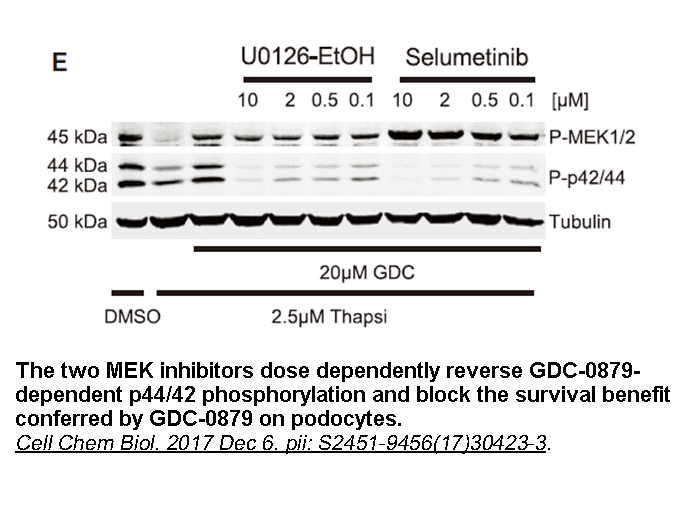
The lack of biological activity of this family of compounds against T. cruzi is quite unexpected and cannot be attributable simply to the presence of a hydroxyl group at C-1. In fact, either compound 6 or risedronate (5), both bearing a hydroxyl group at C-1, are effective inhibitors of TcFPPS.21, 2
-
The even bigger surprise was the second feature of
2022-01-03
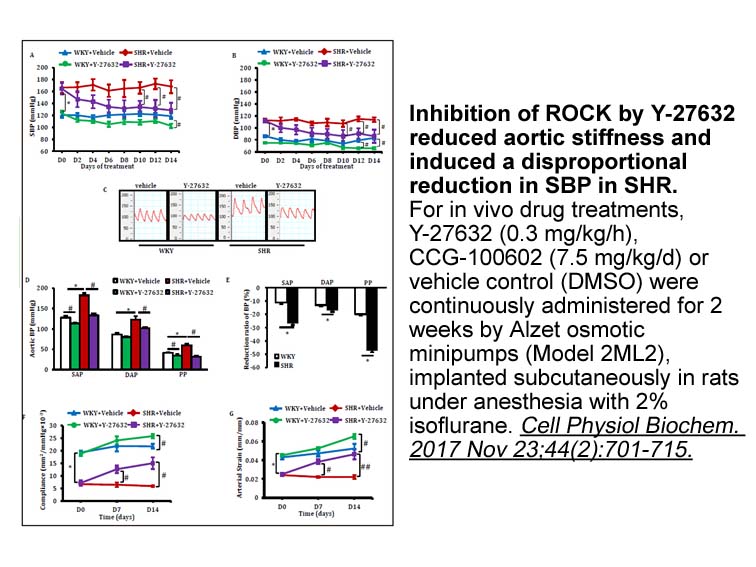
The even bigger surprise was the second feature of both structures. Interestingly, binding of the MRG domain hardly altered the conformation of the SET domain compared with its apo state (An et al., 2011). What did change, however, is the conformation of the ASH1L auto-inhibitory loop (Figure 1). De
-
Introduction Pneumocystis pneumonia PCP is a respiratory
2022-01-03
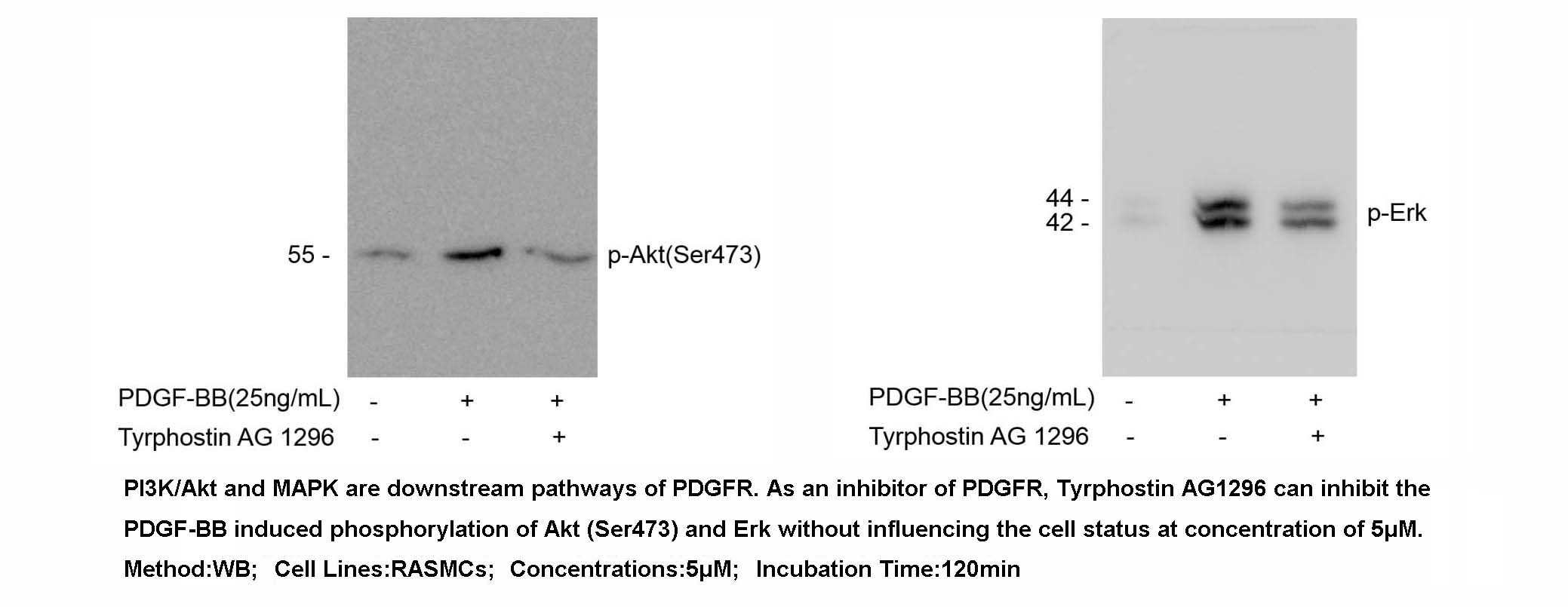
Introduction Pneumocystis pneumonia (PCP) is a respiratory invasive infection caused by Pneumocystis jirovecii, an ubiquitous fungus. It is transmitted by air and mostly infects immunocompromised patients. PCP is characterized by respiratory complaints of cough, dyspnea, but also tachycardia, low g
-
Introduction Post translational modifications to the N termi
2022-01-03
Introduction Post-translational modifications to the N-terminal tails of the histone proteins play crucial roles in genome regulation [1]. These modifications (e.g. acetylation, methylation, phosphorylation) are deposited by so-called ‘writer’ enzymes and dynamically removed by the action of ‘erase
7895 records 527/527 page Previous First page 上5页 526527